Choosing the Right Drywall Mesh Tape for Projects

Get a Free Quote

Our representative will contact you soon.
Email
Name
Company Name
Message
0/1000

Drywall mesh tape

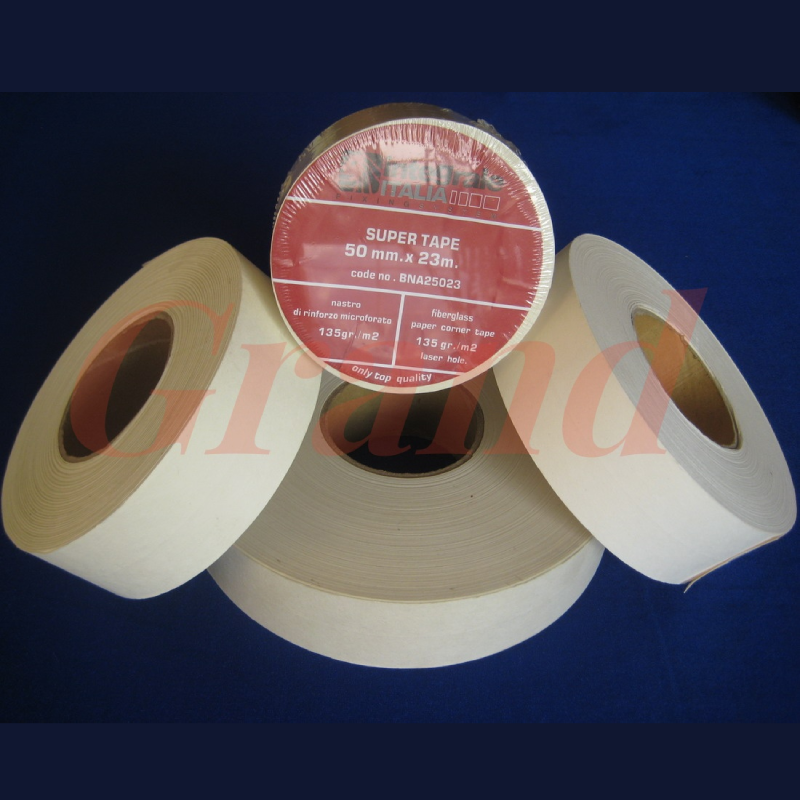
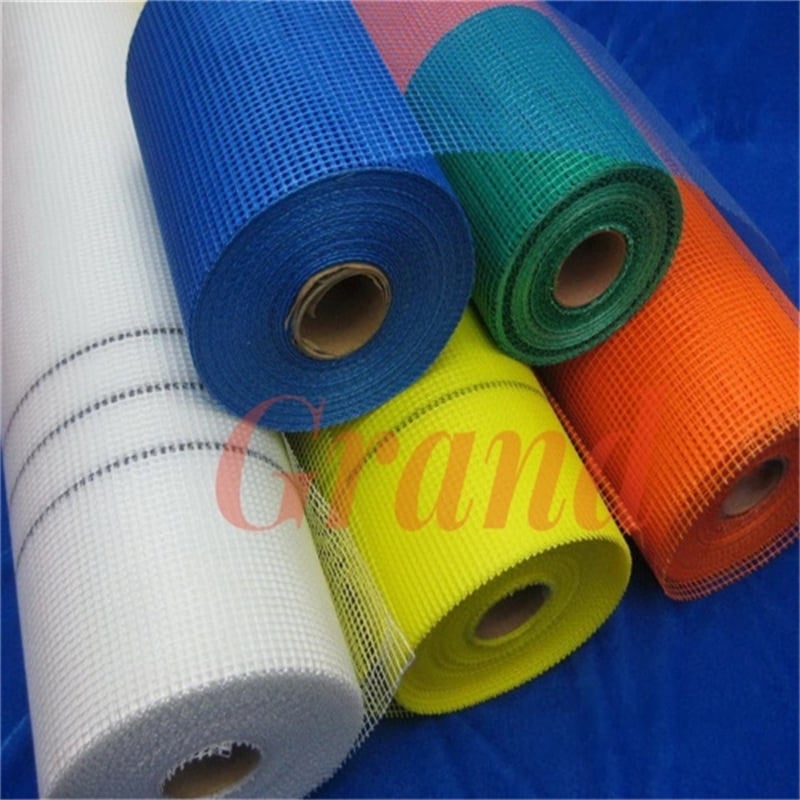
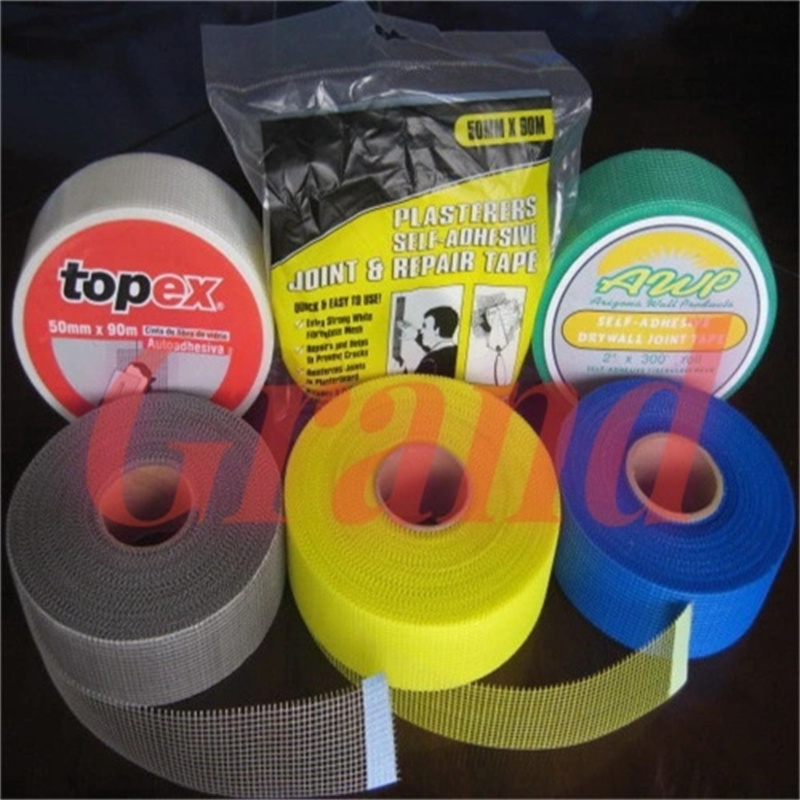
            Drywall mesh tape is a special type of tape used in construction. It's mainly used to help put together pieces of drywall, which are the boards that make up the walls and ceilings in many buildings. Mesh tape is good because it helps to keep the joints between drywall pieces smooth and strong. Using this tape makes it easier to cover the seams with joint compound, which is the mud that helps to hide the joints. At GRAND FIBERGLASS drywall and taping, we know how important it is to have reliable materials when working on any building project. That's why understanding how to choose the best GRAND FIBERGLASS drywall tape and knowing the common issues can help you do a great job.    

When you are picking drywall mesh tape, there are a few things to think about. First, look at the width of the tape. Most mesh tapes are either 1.5 inches or 2 inches wide. A wider tape can cover bigger gaps, but sometimes a narrower tape is better for small spaces. Next, check the material. Most mesh tapes are made of fiberglass because it is strong and lasts a long time. Some tapes might be paper or plastic, but fiberglass is usually the best choice for strength. Another important factor to consider is the adhesive. Some mesh tapes have a stronger sticky side, which can help it stay in place better while you work. It’s also good to look for brands that are known for their quality. Here at GRAND FIBERGLASS drywall joint tape, we focus on making products that are reliable and easy to use. You might also want to think about the type of project you are doing. If you are working on a big job, you may need a tape that can handle extreme conditions. For smaller projects, a basic mesh tape might be just fine. Lastly, read reviews or ask friends about the tape they use. Their experiences can help you decide which tape will work best for you.         

Our Products

How to Choose the Best Drywall Mesh Tape for Your Projects

Using drywall mesh tape can sometimes come with challenges. One common problem is that the tape can bubble or lift if it isn’t applied correctly. It’s important to press the tape down firmly and smooth out any air bubbles. If you don’t, it can create bumps that are hard to fix later. Also, if too much joint compound is applied over the tape, it can crack as it dries. This is another reason to be careful with how much you use. Sometimes, people forget to prime the tape before painting, which can lead to poor paint adhesion. This can make the finish look uneven. Another issue can be the tape tearing too easily if it is pulled too hard during application. Make sure to handle it gently. Lastly, if you are working in a humid area, the tape can absorb moisture, which can weaken its hold. It’s a good idea to keep these factors in mind to help avoid problems. Remember, learning from experience is the best way to get better. At GRAND FIBERGLASS, we want you to have a smooth experience with your projects, so pay attention to these issues.   

When looking for bulk discounts on drywall mesh tape, contractors can find great deals at several places. One of the best options is local hardware stores. Stores like these often have sales or special offers for people who buy large amounts. Another good place to check is online. Many websites sell drywall mesh tape in bulk and offer discounts for buying more. It is important for contractors to compare prices on different sites to make sure they are getting the best deal. Some websites might even offer free shipping if you buy a certain amount, which can save money too.

Get a Free Quote

Our representative will contact you soon.
Email
Name
Company Name
Message
0/1000

Related product categories

What Are the Common Issues When Using Drywall Mesh Tape?

Another way to find discounts is to join contractor groups or forums online. Sometimes, members share tips on where to find the best deals. They might even have access to special discounts or promotions that are not available to everyone. Contractors should also consider talking to their suppliers. If they buy drywall mesh tape regularly, the suppliers might be willing to give them a discount for being loyal customers. Lastly, it's good to keep an eye out for seasonal sales. Many stores have sales during certain times of the year, like summer or holidays, when people are doing more home improvement projects. By looking in these places and taking advantage of these tips, contractors can save money on drywall mesh tape while getting the quality they need from a trusted brand like GRAND FIBERGLASS.

Where to Find Bulk Discounts on Drywall Mesh Tape for Contractors

Another key practice is to keep the tape in its original packaging until it is needed. The packaging protects the tape from dust and dirt, which can make it hard to stick to the drywall. If the packaging is damaged, try to cover the tape with a plastic bag or container to keep it safe. It’s also a good idea to organize the tape neatly. Stacking it or placing it on shelves can help avoid tangling or tearing. Lastly, contractors should check their supply regularly. If they notice the tape is damaged or old, it might be time to replace it. By following these best practices, contractors can ensure their drywall mesh tape stays in great shape and is ready for use whenever they need it, especially when using quality tape from GRAND FIBERGLASS.

What Are the Best Practices for Storing Drywall Mesh Tape?

Understanding the different types of drywall mesh tape is important for contractors and anyone doing drywall work. There are mainly two types: paper tape and fiberglass mesh tape. Paper tape is thinner and is often used for finishing seams. It is strong and helps create a smooth surface when mudding. On the other hand, fiberglass mesh tape is thicker and sticky on one side. This type is very strong and is often used for repairing cracks and holes in drywall. It is also less likely to bubble or tear, making it a favorite among many contractors.