EN



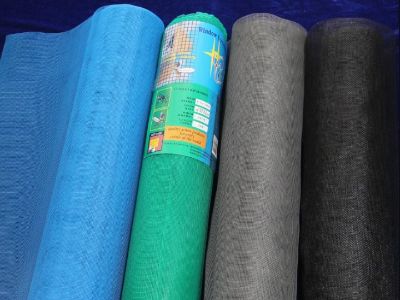
Fiberglass mesh for concrete surface reinforcement is a vital component in construction and industrial applications, designed to enhance the strength and durability of concrete structures. As a purchasing manager or engineer, your concerns likely revolve around material quality, performance, cost-effectiveness, and compatibility with your specific projects. This article aims to provide you with essential insights into selecting the right fiberglass mesh, understanding cost factors, addressing common reinforcement problems, and recognizing the advantages of using fiberglass mesh in construction.
How to Choose the Right Fiberglass Mesh for Concrete Reinforcement?
Selecting the appropriate fiberglass mesh for concrete reinforcement involves understanding several critical specifications. Key factors include mesh size, weight, and tensile strength.
Mesh Size: The mesh opening size affects the distribution of stress within the concrete. Smaller openings typically provide better crack control, while larger openings may allow for more flexibility in applications requiring movement.
Weight: The weight of the mesh, often measured in grams per square meter (gsm), influences both the strength and handling characteristics. A heavier mesh usually indicates higher tensile strength, which is essential for high-load applications.
Tensile Strength: This specification is crucial as it determines how well the mesh can withstand forces exerted on the concrete. A higher tensile strength means better reinforcement and longer-lasting structures.
Environmental Considerations: Evaluate the environmental conditions where the concrete will be used. For instance, if the concrete is exposed to moisture or chemicals, choose a fiberglass window screen mesh that offers resistance to corrosion and degradation.
Before finalizing your choice, it's advisable to request samples and conduct compatibility tests to ensure the selected mesh meets your project's specific requirements.
Comparing Cost Factors for Bulk Orders of Fiberglass Mesh
When it comes to purchasing fiberglass mesh in bulk, understanding the cost factors can influence your overall budget and project viability. Here are key elements to consider:
Material Type: Different types of fiberglass mesh have varying prices based on their material composition and manufacturing process. Ensure you compare similar product grades to get an accurate cost estimate.
Order Quantity: Bulk orders typically offer significant discounts per unit. However, it’s essential to balance the cost savings with your actual project needs to avoid overstocking.
Shipping and Handling: Evaluate shipping costs as they can vary significantly based on the quantity and destination. Some suppliers may offer free shipping for larger orders, which can further reduce overall costs.
Custom Requirements: If your project requires customized mesh sizes or specifications, be aware that this can increase costs. Always clarify customization capabilities with your supplier to avoid unexpected expenses.
Lead Times: Longer lead times for custom orders may affect your project's timeline. Ensure that the supplier can meet your deadlines without compromising quality.
By analyzing these factors, you can make informed decisions that align your budget with project needs.
Common Problems with Concrete Reinforcement and Fiberglass Solutions
Concrete reinforcement often encounters several issues that can jeopardize structural integrity. Here are common problems and how fiberglass mesh can provide effective solutions:
Cracking: Concrete is prone to cracking due to shrinkage, temperature changes, and stress. Using fiberglass screen mesh helps distribute stress evenly, significantly reducing the likelihood of cracks.
Delamination: This occurs when layers of concrete separate, often due to inadequate bonding. Fiberglass mesh enhances the bonding surface, ensuring better adhesion between layers and improving overall structural integrity.
Weight Limitations: Traditional reinforcement methods, such as steel rebar, can add significant weight to structures. Fiberglass mesh is lightweight yet strong, making it an excellent alternative for projects with weight restrictions.
Corrosion: Steel reinforcement is susceptible to corrosion when exposed to moisture or chemicals, leading to structural failure. Fiberglass mesh is inherently resistant to corrosion, ensuring longevity even in harsh environments.
By addressing these common issues with the right fiberglass mesh, you can improve the durability and performance of your concrete structures.
The Advantages of Using Fiberglass Mesh in Construction Projects
Utilizing fiberglass mesh in construction projects offers several distinct advantages:
Enhanced Durability: Fiberglass mesh provides superior tensile strength compared to traditional reinforcement materials, leading to longer-lasting concrete structures. Its resistance to corrosion further enhances durability in challenging environments.
Flexibility in Design: The lightweight nature of fiberglass mesh allows for more innovative design options. It can easily be cut and shaped to fit various applications, providing flexibility that traditional materials may not.
Cost-Effectiveness: While the initial cost of fiberglass mesh may be higher than some alternatives, its longevity and reduced maintenance needs can result in lower overall lifetime costs.
Ease of Installation: Fiberglass mesh is easier to handle and install, which can reduce labor costs and project timelines. Quick installation also minimizes disruptions on-site.
Compatibility with Various Applications: Fiberglass mesh is suitable for a wide range of applications, including roadways, flooring, and precast concrete products, making it a versatile choice for many construction projects.
By recognizing these advantages, you can leverage fiberglass mesh to enhance the efficiency and effectiveness of your construction projects.
Understanding the Material Quality of Fiberglass Mesh Products
Material quality is a crucial consideration when selecting fiberglass mesh for concrete reinforcement. Here are aspects to evaluate:
Raw Material Source: High-quality fiberglass mesh typically uses high-grade fiberglass strands. Verify that your supplier sources materials from reputable manufacturers to ensure consistency and reliability.
Manufacturing Process: Understanding the manufacturing process can shed light on the mesh's overall quality. Advanced production techniques, such as woven construction, offer better strength and flexibility compared to simpler methods.
Quality Control Standards: Inquire about the supplier's quality control measures. Certifications and adherence to industry standards can provide assurance that the products meet necessary performance criteria.
Testing Protocols: Ask for information on any testing protocols the manufacturer employs. Rigorous testing for tensile strength, durability, and environmental resistance can help ensure the mesh will perform as expected under real-world conditions.
Visual Inspection: Finally, visually inspect samples for defects such as fraying, inconsistent weave, or discoloration. These could indicate inferior quality and may affect performance.
By focusing on these material quality factors, you can select fiberglass mesh that meets the demands of your specific applications, ensuring both safety and reliability in your concrete projects.
Table of Contents
- How to Choose the Right Fiberglass Mesh for Concrete Reinforcement?
- Comparing Cost Factors for Bulk Orders of Fiberglass Mesh
- Common Problems with Concrete Reinforcement and Fiberglass Solutions
- The Advantages of Using Fiberglass Mesh in Construction Projects
- Understanding the Material Quality of Fiberglass Mesh Products