EN



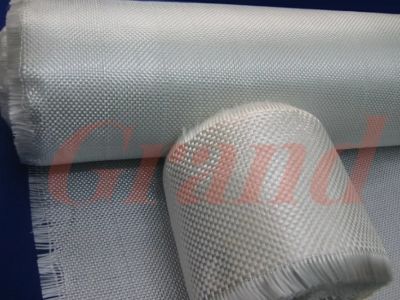
Fiberglass mesh plays a crucial role in plaster reinforcement, providing strength and stability to plaster applications in construction. As a B2B buyer, understanding its specifications, quality indicators, and installation practices is essential to ensure optimal performance. This article will delve into the significance of fiberglass mesh, helping you navigate the selection process, evaluate quality, and make informed purchasing decisions.
How to Choose the Right Fiberglass Mesh for Plaster Reinforcement?
Choosing the right fiberglass mesh for plaster reinforcement depends on various factors, including the application, required strength, and environmental conditions. Start by assessing the mesh's weight, typically measured in grams per square meter (gsm), as heavier meshes offer greater tensile strength. Common weights range from 160 to 300 gsm, with heavier options suitable for high-stress areas.
Next, consider the mesh size, often defined by the size of the grid openings. Smaller openings can provide better support and prevent cracking, while larger openings allow for better adhesion to plaster. Additionally, look for compatibility with the plaster type you intend to use, as some meshes are designed specifically for different plaster formulations.
Finally, verify the mesh's chemical resistance, especially if it will be exposed to moisture or harsh environmental conditions. Selecting a mesh with appropriate resistance will enhance durability and longevity in plaster applications.
Key Specifications of Fiberglass Mesh for Construction Projects
When evaluating fiberglass mesh for construction projects, several key specifications are critical.
Material Composition: Fiberglass mesh is primarily made from woven strands of fiberglass, which offer excellent strength-to-weight ratios. Ensure the fiberglass screen mesh is produced from E-glass or similar high-quality fibers for optimal performance.
Mesh Density: This refers to the number of threads per inch in both the warp and weft directions. A higher density often translates to better load-bearing capacity and resistance to cracking.
Coating: Many fiberglass meshes are coated with a polymer that enhances their water resistance and adhesion characteristics. Ensure that the coating is compatible with the plaster used to avoid issues during application.
Roll Dimensions: Standard roll sizes typically range from 1 to 1.5 meters in width and can be cut to various lengths. Ensure the dimensions suit your project requirements to minimize waste.
Certification: Look for products that comply with industry standards and certifications, as these can be indicators of quality and reliability.
Understanding these specifications will help you select the right fiberglass mesh that meets the demands of your construction projects.
Evaluating the Quality of Fiberglass Mesh for Your Applications
Quality evaluation of fiberglass mesh is crucial to ensure it meets your project's specifications. Start by conducting a visual inspection of the mesh to check for any defects such as fraying, inconsistent weaving, or damage during production.
Next, perform a tensile strength test, which assesses the mesh's ability to withstand pulling forces. This can often be done by consulting the manufacturer's documentation or third-party testing results. A mesh that fails to meet specified tensile strength parameters may lead to cracking or failure in plaster applications.
Also, consider the mesh's water absorption characteristics. A high absorption rate can compromise the adhesion of plaster and lead to moisture-related issues. Manufacturers should provide data on the mesh’s water absorption tests, which can aid in your evaluation.
Finally, requesting samples for on-site testing can give you firsthand experience with the mesh's performance in actual application conditions before making a bulk purchase.
Installation Guidance for Fiberglass Mesh in Plaster Systems
Proper installation of fiberglass mesh is essential for achieving optimal plaster reinforcement. Begin by preparing the substrate to ensure it is clean and free from dust, grease, or any contaminants that could interfere with adhesion.
When applying the mesh, overlap the edges by at least 10 cm to ensure continuity and strength across joints. Use a suitable adhesive or plaster to embed the mesh, ensuring it is fully saturated without air pockets. This step is crucial, as inadequate embedding can lead to weaknesses in the plaster system.
Pay attention to the installation environment; it’s best to avoid extreme temperatures or direct sunlight during application, as these conditions can affect the curing process of the plaster.
Lastly, allow sufficient curing time for the adhesive before applying the final plaster coat. This ensures that the fiberglass screen mesh is securely bonded and will provide the necessary reinforcement once the plaster is applied.
Where to Find Reliable Suppliers of Fiberglass Mesh Products?
Finding a reliable supplier for fiberglass mesh products is essential for ensuring quality and consistency in your projects. Start by researching manufacturers with a proven track record in the industry. Look for companies that have established quality control processes and certifications that demonstrate their commitment to product excellence.
Trade shows, industry conferences, and online platforms are excellent resources for discovering reputable suppliers. Reach out to industry peers for recommendations or check online reviews to gauge the reliability of potential suppliers.
Additionally, consider suppliers who offer customization capabilities, as this can be beneficial if you have specific project requirements. Engaging in direct conversations with potential suppliers can also help clarify their production processes, lead times, and minimum order quantities.
Finally, request samples from suppliers to assess their products firsthand before making large-scale purchases. This step will help you ensure the mesh meets your quality expectations and application needs.
By taking these steps, you can secure a reliable source for high-quality fiberglass mesh that meets your plaster reinforcement requirements.
Table of Contents
- How to Choose the Right Fiberglass Mesh for Plaster Reinforcement?
- Key Specifications of Fiberglass Mesh for Construction Projects
- Evaluating the Quality of Fiberglass Mesh for Your Applications
- Installation Guidance for Fiberglass Mesh in Plaster Systems
- Where to Find Reliable Suppliers of Fiberglass Mesh Products?