Choosing the Right Sheetrock Joint Tape for Projects

Get a Free Quote

Our representative will contact you soon.
Email
Name
Company Name
Message
0/1000

Sheetrock joint tape

Sheetrock joint tape is an important tool in construction and home improvement. It helps to finish the seams where two pieces of drywall meet. Without sheetrock tape, these seams would be rough and noticeable. Using tape makes the walls look smooth and nice. It is often used by professional finishers but can be used by anyone who wants to do a DIY project. At GRAND FIBERGLASS, we understand how crucial it is to have the right materials for your projects. Our products are designed to help you achieve a great finish, whether you are a beginner or a pro.       

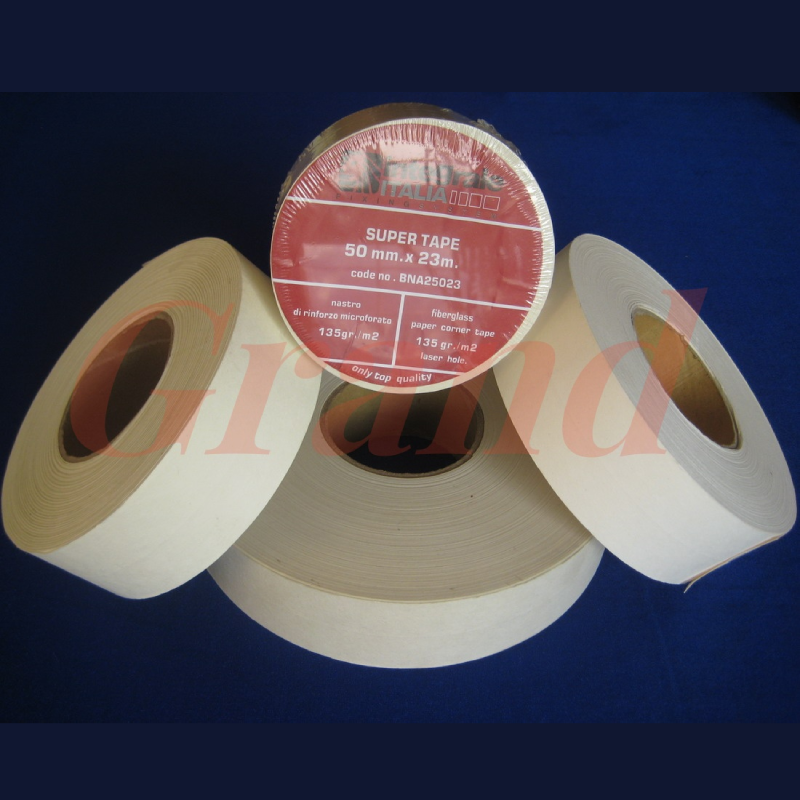
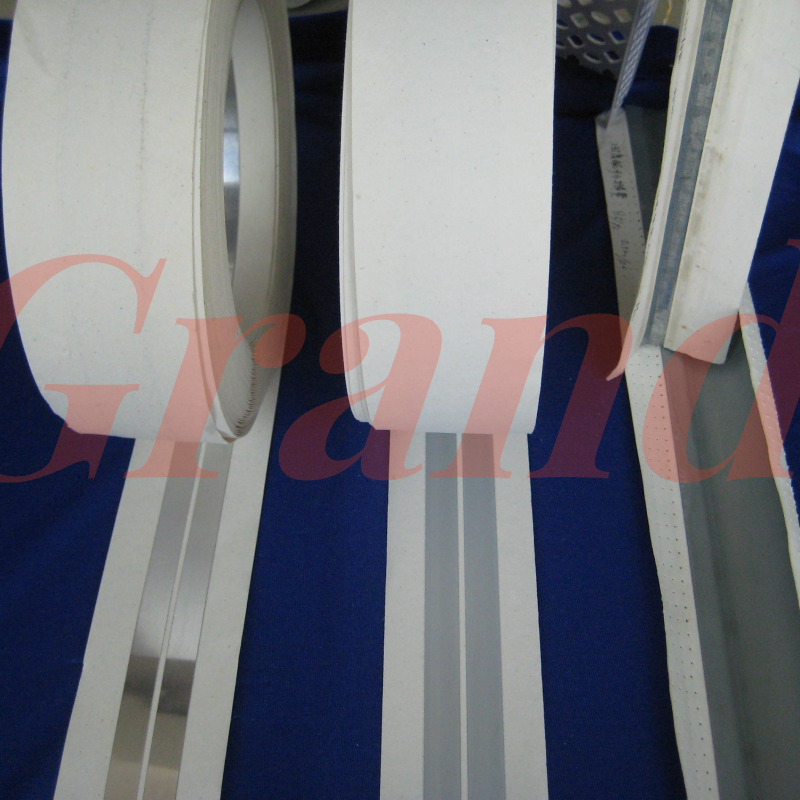
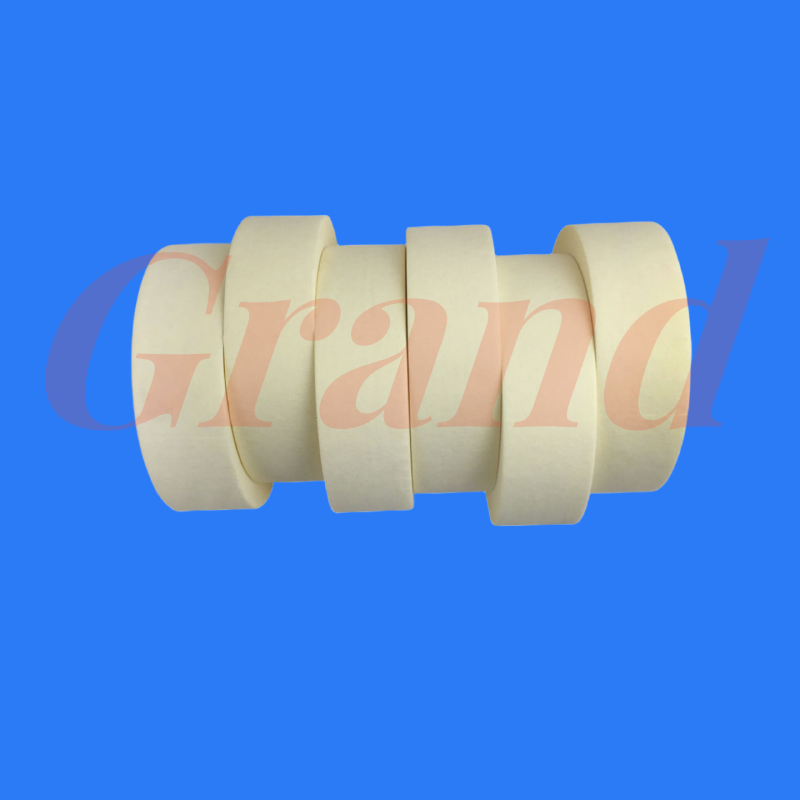
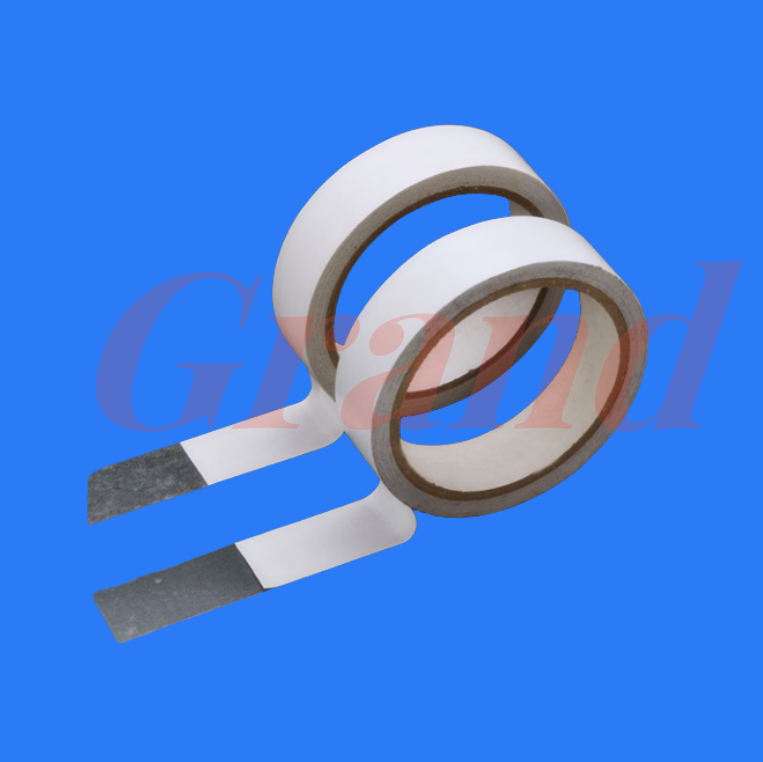
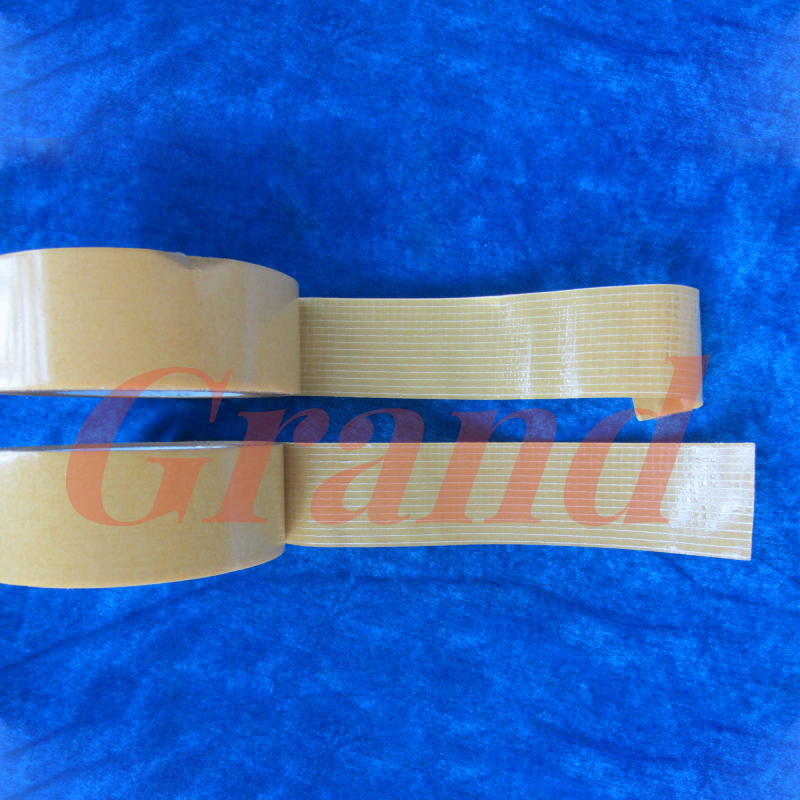
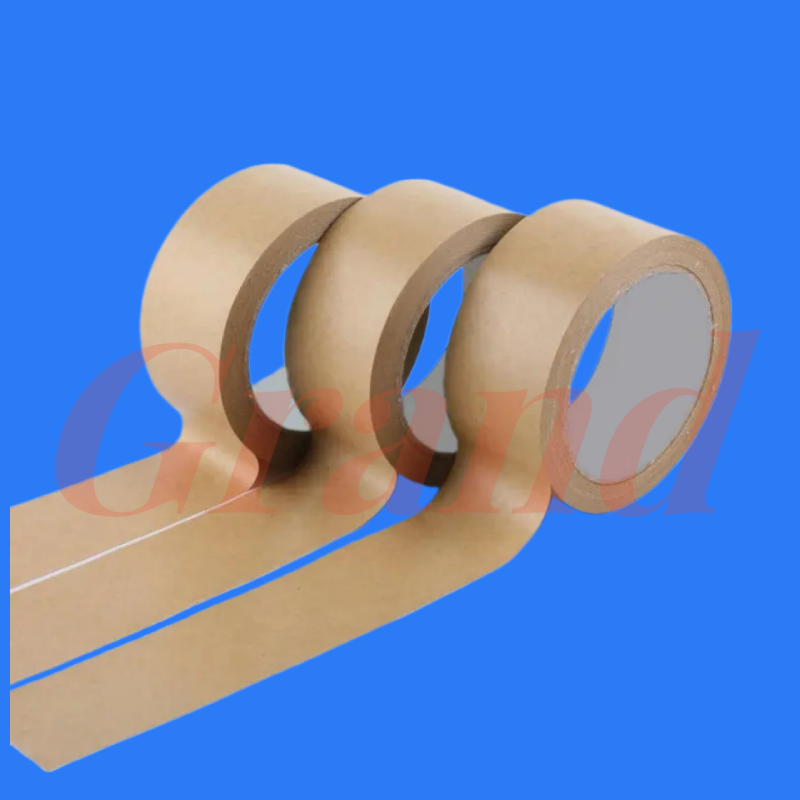
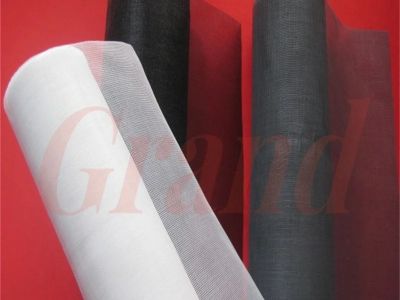
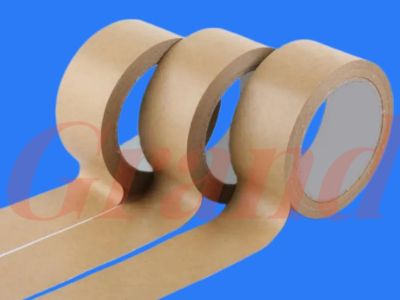
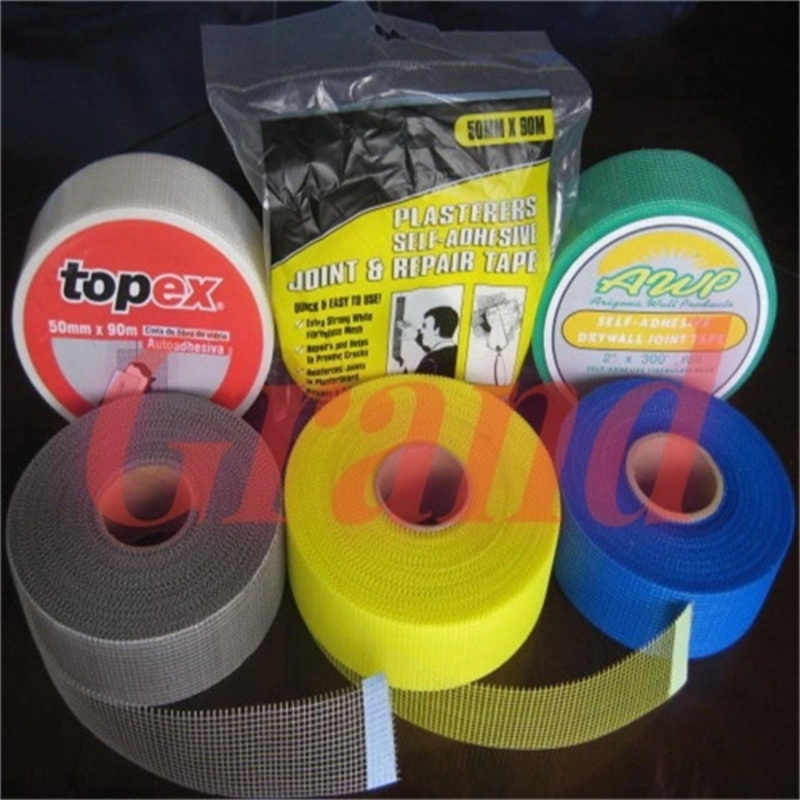
When picking sheetrock joint tape, it’s important to think about what you need. There are different kinds of tape, and each type has its own strengths. The most common types are paper tape and fiberglass mesh tape. Paper tape is strong and good for most jobs. It is easy to use and sticks well to the drywall mud. On the other hand, fiberglass mesh tape is sticky on one side and is great for corners and cracks. It is also very strong and helps prevent cracking. You might prefer paper tape if you are looking for a smooth finish, while mesh tape could be your choice if you need extra support.  
Our Products

How to Choose the Best Sheetrock Joint Tape for Your Projects

Don’t forget about the quality of the tape! Look for products from trusted brands like GRAND FIBERGLASS. High-quality joint tape will help you get a better finish and make your work last longer. You can read reviews or ask friends who have done similar projects. They might have good advice on what worked best for them. Finally, think about your own skill level. If you’re new to drywall work, you might want to start with paper tape because it is easier to work with. But if you are more experienced, you can try fiberglass mesh tape for more advanced projects. 

Additionally, using tape can speed up the finishing process. Professionals often use a technique called “taping and mudding,” which involves applying tape and then covering it with joint compound. This method helps to create a strong bond and a smooth finish. The right tape can make this process easier and more efficient. Professionals who use high-quality tape from brands like GRAND FIBERGLASS can save time and effort on their projects. This means they can take on more jobs and keep their customers happy. 

Frequently Asked Questions

What is Sheetrock joint tape made of?

Our Sheetrock joint tape is made from high-strength fiberglass mesh designed for durability and crack resistance in drywall joints and repairs.
We offer both self-adhesive fiberglass mesh tape and non-adhesive versions that work with joint compound for secure bonding.
Various widths and roll lengths are available to fit construction needs; contact us with required dimensions for custom options.
Fiberglass mesh is moisture-resistant and mold-inhibiting, making it suitable for damp environments when properly installed and finished.
Yes. Our production facilities follow certified quality systems, and we supply bulk orders worldwide for construction and industrial applications.

Our Blog Posts

Fiberglass Mesh for Exterior Wall Crack Control

08

Oct

Fiberglass Mesh for Exterior Wall Crack Control

Fiberglass mesh is a critical component for ensuring durability and stability in exterior wall applications, particularly for crack control. As a purchasing manager or engineer, your primary concerns may include the quality, cost-effectiveness, and a...
View More
High Quality Paper Tape for Wall Finishing

01

Jan

High Quality Paper Tape for Wall Finishing

High quality paper tape is an essential material for wall finishing in construction and renovation projects. It is designed to provide a smooth, professional finish while effectively sealing joints and seams. B2B buyers, including purchasing managers...
View More
What FRP Grating Is Used for in Industrial Facilities

06

Apr

What FRP Grating Is Used for in Industrial Facilities

Fiberglass Reinforced Plastic (FRP) grating is widely used in industrial facilities due to its durability, corrosion resistance, and lightweight properties. Understanding what FRP grating is used for in industrial facilities can help purchasing manag...
View More
Aluminum Foil Tape for Ductwork and Insulation Materials

31

May

Aluminum Foil Tape for Ductwork and Insulation Materials

Aluminum foil tape is a versatile adhesive product widely used for ductwork and insulation materials. This type of tape is essential for contractors, distributors, and purchasing managers looking to ensure optimal performance in HVAC applications. Bu...
View More

Get a Free Quote

Our representative will contact you soon.
Email
Name
Company Name
Message
0/1000

Related product categories

What Makes Sheetrock Joint Tape Essential for Professional Finishers

Finally, using joint tape shows that a finisher pays attention to detail. This is important in building a good reputation. Clients appreciate neat work, and they often recommend finishers who do it right. When professionals use tape, they are not just finishing a job; they are ensuring that the work will last and look great for years to come. In the end, drywall tape is not just a small part of the process; it is an essential tool for anyone who wants to deliver high-quality results. 

How to Effectively Use Sheetrock Joint Tape for Seamless Walls

When you are working with walls in your home, especially when using sheetrock, you need to make sure the seams are smooth. This is where sheetrock joint tape comes in. Using it correctly can help you create seamless walls that look great. First, you need to gather your materials. You will need sheetrock joint tape, which can be either paper or fiberglass, along with joint compound, a putty knife, and a sanding sponge. Start by preparing the seams on your walls. Make sure the area is clean and free from dust. If you are using paper tape, you will need to apply a layer of joint compound to the seam first. Then, place the paper tape over the compound. Use your putty knife to press down on the tape, making sure there are no air bubbles.  After that, apply another layer of joint compound over the tape, smoothing it out so it blends with the wall. If you choose fiberglass tape, you can skip the first layer of joint compound. Just place the fiberglass tape directly onto the seam, and then cover it with joint compound. Be sure to feather the edges so they blend into the wall. Once the compound is dry, use your sanding sponge to smooth the surface. This will help make your walls look even better. Remember, the key to using sheetrock joint tape effectively is to take your time and make sure everything is smooth. At GRAND FIBERGLASS, we believe in making your home look perfect, and using sheetrock joint tape the right way is a big part of that. 

What Are the Benefits of Using Fiberglass vs. Paper Sheetrock Joint Tape?

When choosing between fiberglass and paper sheetrock joint tape, it's important to know their benefits. Fiberglass tape is strong and does not tear easily. It is also resistant to moisture, which makes it a great choice for areas that might get wet, like bathrooms. Because fiberglass tape is sticky, it can hold on well to the wall without needing a layer of compound first. This makes it quicker to use. On the other hand, paper tape is more affordable and easier to find. It is also easier to work with for beginners because you can manipulate it more easily when applying it. However, paper tape can tear if you are not careful, and it needs a layer of joint compound underneath. So, if you are working on a big project or if you want to make sure your seams are strong and last a long time, fiberglass tape from GRAND FIBERGLASS might be the better choice. It can handle the wear and tear of everyday life without showing signs of damage. However, if you are just doing small repairs or if you are learning how to tape seams, paper tape is a great option. In the end, it really depends on your needs and experience level. Both types have their own strengths, and understanding these can help you make the right choice for your project.