EN



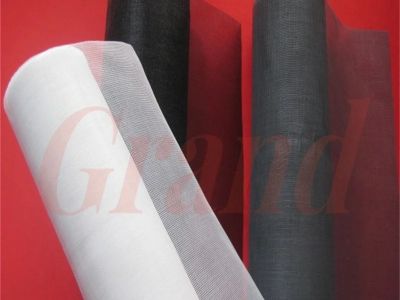
Fiberglass mesh is a critical component for ensuring durability and stability in exterior wall applications, particularly for crack control. As a purchasing manager or engineer, your primary concerns may include the quality, cost-effectiveness, and application suitability of fiberglass mesh for your projects. This article will provide insights into fiberglass mesh for exterior wall crack control, focusing on bulk ordering options, evaluation criteria, common issues, cost factors, and various applications within the construction and industrial sectors.
Bulk Ordering Options for High-Quality Fiberglass Mesh Products
When considering fiberglass mesh for exterior wall crack control, bulk ordering can lead to significant cost savings and improved supply chain efficiency. Grand Fiberglass offers a variety of fiberglass mesh products tailored for different applications, which can be ordered in large quantities to meet project demands.
Buyers should consider the following when placing bulk orders:
Minimum Order Quantity (MOQ): Understanding the MOQ is essential for budget planning and ensuring you have enough material for your projects.
Packaging Options: Depending on your storage and transportation capabilities, inquire about packaging methods. Options may include rolls or sheets, which can affect shipping costs and ease of handling.
Customization Capabilities: If your project has specific requirements, discuss customization options with the supplier. This could include variations in mesh size, weight, or adhesive backing.
Lead Times: Confirm the lead time for bulk orders to ensure that delivery aligns with your project timelines. Delays in material supply can significantly impact construction schedules.
By exploring these bulk ordering options, you can secure high-quality fiberglass mesh that meets your project specifications while optimizing costs.
How to Evaluate Fiberglass Mesh Quality for Your Projects?
Evaluating the quality of fiberglass mesh is crucial to ensure it performs effectively in controlling exterior wall cracks. Here are key specifications to consider:
Material Composition: High-quality fiberglass mesh is typically made from E-glass, known for its excellent strength and durability. Ensure that the mesh is free from any defects in the glass fibers that could compromise its integrity.
Mesh Size and Density: Mesh size (measured in openings per inch) and density (weight per square yard) significantly influence the strength and flexibility of the mesh. A tighter mesh can provide better crack resistance while maintaining flexibility for application.
Adhesive Properties: If the fiberglass mesh comes with an adhesive backing, evaluate the adhesive quality. It should be designed for compatibility with various substrates to ensure a strong bond during installation.
Testing and Certifications: Request information about any testing the mesh has undergone, such as tensile strength tests or moisture resistance evaluations. Certifications can also indicate adherence to industry standards.
By understanding these quality indicators, you can make informed decisions when selecting fiberglass mesh for your projects, ensuring long-lasting performance.
Common Problems with Fiberglass Mesh and Effective Solutions
While fiberglass mesh is generally reliable, issues can arise that may affect its performance in construction applications. Some common problems include:
Delamination: This occurs when the mesh separates from the substrate, often due to inadequate adhesive strength or improper application. To mitigate this risk, ensure that surfaces are clean and dry before installation and that the adhesive is compatible with the substrate.
Fraying Edges: If the edges of the fiberglass mesh roll fray, it can compromise the integrity of the installation. To prevent this, consider using mesh with reinforced edges or applying a sealant to protect the edges during installation.
Inadequate Coverage: Insufficient overlap when installing multiple pieces of mesh can lead to weak points. Ensure that installation guidelines are followed, including recommended overlap distances.
By proactively addressing these common issues, you can enhance the performance of fiberglass mesh in your projects.
Cost Factors to Consider When Purchasing Fiberglass Mesh in Bulk
The overall cost of fiberglass mesh for exterior wall crack control can vary significantly based on several factors. Key considerations include:
Material Specifications: Higher-grade materials typically come at a premium. Evaluate the long-term benefits of investing in quality materials versus initial cost savings.
Quantity Ordered: Bulk orders usually attract discounted rates. Assess your project needs to determine the most cost-effective order quantity.
Shipping Costs: Depending on the distance and shipping method, costs can vary. It’s crucial to factor in these costs when calculating the total expenditure.
Customization Requirements: Customization may lead to added costs. However, tailored solutions that meet specific project needs can lead to long-term savings through improved performance.
By understanding these cost factors, you can make strategic purchasing decisions that align with your budget and project requirements.
Applications of Fiberglass Mesh in Construction and Industrial Uses
Fiberglass mesh has a wide range of applications in both construction and industrial sectors. Its versatility and durability make it suitable for various uses, including:
Exterior Wall Reinforcement: Primarily used for crack control, fiberglass mesh strengthens plaster systems and stucco applications, helping to prevent cracks from forming due to environmental stressors.
Roofing Applications: Fiberglass mesh can be utilized in roofing systems to enhance strength and flexibility, providing a durable layer that withstands temperature fluctuations and moisture.
Industrial Flooring: In industrial settings, fiberglass mesh fabric is often embedded in flooring materials to improve resistance to wear and tear, extending the life of the flooring system.
FRP Composites: Fiberglass mesh is integral in manufacturing fiber-reinforced polymer (FRP) composites, which are used in creating lightweight yet strong structures in various industries, including automotive and aerospace.
Understanding these applications can help buyers identify the best fiberglass mesh solutions for their specific needs, ensuring optimal performance across different project types.
By considering these aspects of fiberglass mesh for exterior wall crack control, you can make informed decisions that enhance the durability and effectiveness of your construction projects.
Table of Contents
- Bulk Ordering Options for High-Quality Fiberglass Mesh Products
- How to Evaluate Fiberglass Mesh Quality for Your Projects?
- Common Problems with Fiberglass Mesh and Effective Solutions
- Cost Factors to Consider When Purchasing Fiberglass Mesh in Bulk
- Applications of Fiberglass Mesh in Construction and Industrial Uses