EN



Fiberglass mesh is a crucial component under exterior render systems, providing reinforcement and enhancing the durability of the finish. Understanding why fiberglass mesh is used under exterior render can help construction professionals, purchasing managers, and product managers make informed decisions regarding material selection. This article will delve into the characteristics, benefits, and practical considerations of fiberglass mesh in construction, aiming to address common buyer concerns such as product specifications, installation tips, and potential issues
How to Choose the Right Fiberglass Mesh for Your Projects
Selecting the right fiberglass mesh involves assessing several key factors, including the mesh's weight, size, and tensile strength. The weight of the mesh typically ranges from 60 to 300 grams per square meter, impacting its load-bearing capacity and resistance to cracking. For projects with higher stress or exposure to environmental elements, a heavier mesh may be more appropriate
Additionally, the size of the mesh openings can influence performance. Smaller openings provide better reinforcement but can be more challenging to work with during installation. The tensile strength, often measured in Newtons, indicates how much force the mesh can withstand before breaking. Buyers should consider the specific requirements of their project, such as the type of render being applied and environmental conditions, to determine the optimal specifications
Comparing Fiberglass Mesh Specifications for Optimal Performance
When comparing fiberglass mesh specifications, it's essential to evaluate the material composition and weave pattern. Most fiberglass meshes are made from E-glass fibers, which are known for their excellent tensile strength and resistance to moisture and chemicals. The weave pattern can also affect the mesh's performance; a tighter weave generally offers increased stability and resistance to deformation, making it suitable for high-stress applications
Another critical specification is the coating applied to the mesh. A latex or polymer coating can enhance adhesion to the render and improve resistance to weathering. Buyers should request technical data sheets from suppliers to review these specifications and ensure the product meets the project requirements
Evaluating Fiberglass Mesh for Construction Use
Evaluating self adhesive fiberglass mesh for construction purposes involves considering the intended application and the specific environmental conditions it will face. For instance, in areas with high humidity or exposure to chemicals, selecting a mesh with superior moisture and chemical resistance is critical. Additionally, the compatibility of the mesh with various render types should be assessed; some renders may require specific mesh types for optimal bonding and performance
It’s also beneficial to check for certifications that ensure the quality and performance of the fiberglass mesh. While Grand Fiberglass maintains certified quality systems, buyers should confirm the standards relevant to their specific project and local regulations. An understanding of these factors can prevent costly mistakes during the installation phase
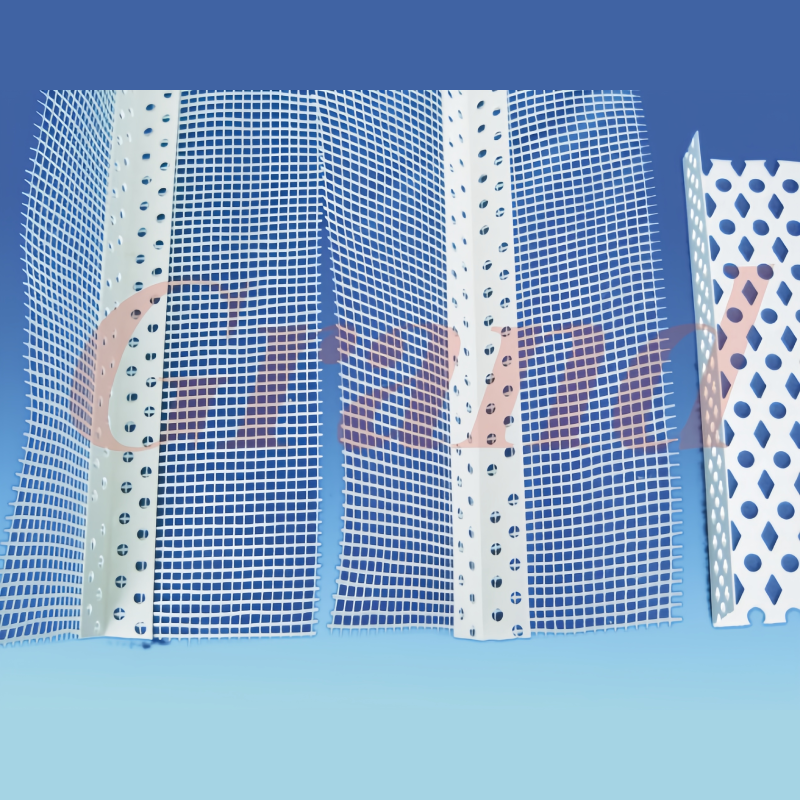
Installation Tips for Fiberglass Mesh Under Exterior Render Systems
Proper installation of fiberglass mesh under exterior render systems is essential for achieving long-lasting results. Here are several tips to ensure effective application
Surface Preparation: The substrate should be clean, dry, and free from contaminants. Any loose materials should be removed to promote proper adhesion
Cutting and Fitting: Fiberglass mesh should be cut to size with care, avoiding any fraying which could compromise its integrity. Overlaps should be minimal to ensure a seamless finish
Adhesive Application: Use a compatible adhesive or thin-set mortar as recommended by the render manufacturer. The adhesive should be applied evenly to prevent air pockets
Embedding the Mesh: While the adhesive is still wet, the fiberglass mesh should be embedded into the adhesive, ensuring it is fully covered. A smooth, even application will help eliminate potential weak points
Curing Time: Allow the adhesive to cure according to the manufacturer's instructions before applying the render. This step is crucial for ensuring optimal performance and adhesion
Common Problems with Fiberglass Mesh and Effective Solutions
While fiberglass mesh is a robust solution, several common problems can arise during its use in construction. Identifying these issues and implementing effective solutions can enhance project outcomes
Cracking: Cracking can occur if the mesh is not properly embedded or if the render dries too quickly. To address this, ensure adequate adhesive coverage and allow for sufficient curing time
Moisture Infiltration: If moisture penetrates the render, it can lead to deterioration of the mesh and substrate. Using a high-quality, moisture-resistant mesh can mitigate this risk, along with ensuring proper drainage in the wall assembly
Poor Adhesion: Inadequate adhesion between the mesh and render can result in delamination. To avoid this, select the right adhesive and ensure the substrate is properly prepped. Conduct a small test patch to verify adhesion before full-scale application
Installation Errors: Misalignment or improper overlap of mesh sheets can weaken the overall structure. Training installers on best practices and using jigs or templates can help maintain alignment and consistency
By understanding these common challenges and their solutions, buyers can better prepare for successful fiberglass mesh roll applications in their construction projects
Fiberglass mesh plays a vital role in enhancing the durability and performance of exterior render systems. By choosing the right specifications and adhering to best practices during installation, construction professionals can maximize the benefits of this essential material