EN



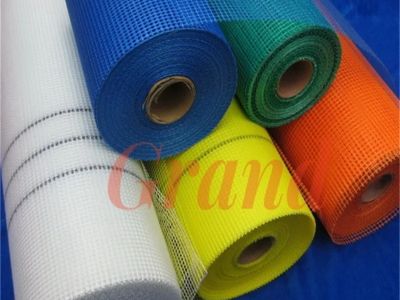
Fiberglass mesh is an essential component in exterior wall systems, offering strength and durability in construction applications. Understanding how fiberglass mesh is used in these systems is crucial for B2B buyers, such as purchasing managers and engineers, who need reliable products that meet specific performance criteria. This article will explore the key specifications for selecting quality fiberglass mesh products, where to find reliable suppliers, comparisons of different mesh types for various applications, common problems and solutions, and the advantages of using fiberglass mesh in exterior wall construction.
Key Specifications for Selecting Quality Fiberglass Mesh Products
When evaluating fiberglass mesh for exterior wall systems, several key specifications should be considered to ensure optimal performance.
Material Composition: High-quality fiberglass mesh is typically made from woven fiberglass yarns coated with a polymer. This combination provides excellent tensile strength and resistance to environmental factors. Buyers should verify the type of resin used in the coating, as it affects adhesion and durability.
Mesh Size and Weight: Mesh size refers to the openings in the fabric, typically measured in openings per inch. A finer mesh provides greater surface contact for adhesives, while a coarser mesh may be more suitable for specific applications such as stucco. Weight, measured in grams per square meter (gsm), influences the strength and flexibility of the mesh. A heavier mesh can bear more load but may also add to the overall wall weight.
Thickness: The thickness of the mesh can affect its performance in various applications. Thicker mesh generally offers better structural support but may be less flexible during installation. Buyers should confirm that the thickness aligns with the requirements of their specific wall system.
Adhesion Strength: The adhesion strength of fiberglass mesh is critical for ensuring that it bonds effectively with other materials used in the wall system. This can depend on both the mesh material and the type of adhesive used. It’s advisable to request test results or certifications that demonstrate the adhesion properties of the mesh.
Where to Find Reliable Suppliers of Fiberglass Mesh for Projects?
Finding reliable suppliers of fiberglass mesh is vital for securing quality materials. Here are some practical approaches:
Industry Associations: Joining industry associations or groups can provide valuable connections to reputable suppliers. Associations often have directories or resources that list certified manufacturers.
Trade Shows and Exhibitions: Attending trade shows related to construction and materials can be an effective way to meet suppliers in person. This allows buyers to see product samples, discuss specifications, and establish relationships.
Online Marketplaces: While online platforms can offer a wide selection, it’s essential to verify supplier credibility. Look for suppliers with positive reviews, established histories, and clear contact information.
Recommendations: Networking with other professionals in the construction or manufacturing sectors can yield recommendations for trustworthy suppliers. Personal experiences often provide insights into product quality and customer service.
Comparing Fiberglass Mesh Types for Different Wall Applications
Fiberglass mesh comes in various types, each suited for specific applications. Understanding these differences can help buyers select the right product for their needs.
Standard Mesh: Typically used in EIFS (Exterior Insulation and Finish Systems), standard fiberglass mesh roll provides good overall strength and flexibility, making it suitable for various wall applications.
Heavy-Duty Mesh: For applications requiring enhanced durability, such as in high-wind areas or where impact resistance is critical, heavy-duty fiberglass mesh offers increased thickness and tensile strength.
Self-Adhesive Mesh: This type of mesh is pre-coated with adhesive, simplifying installation. It is often used in patching and repair applications, providing a quick and effective solution for minor wall damage.
Specialty Mesh: Certain projects may require specialty meshes, such as those designed for specific climates or environmental conditions. These might include UV-resistant coatings or additional chemical resistance.
Common Problems with Fiberglass Mesh and Effective Solutions
While fiberglass mesh is generally reliable, buyers should be aware of common issues that can arise during installation or use, along with effective solutions.
Delamination: This occurs when the mesh separates from the substrate, often due to improper adhesive application or insufficient surface preparation. To mitigate this, ensure proper surface cleaning and select adhesives that are compatible with the mesh material.
Shrinkage: Mesh can shrink if exposed to high temperatures during installation. This can lead to gaps in the wall system. To avoid this problem, ensure that installation occurs within the recommended temperature ranges and avoid direct sunlight exposure during application.
Moisture Infiltration: If not adequately sealed, moisture can penetrate through the mesh, leading to mold growth and structural damage. Implementing a proper moisture barrier can help prevent this issue, alongside selecting a mesh with good water resistance.
Inconsistent Sizing: Variations in mesh size can lead to installation difficulties. Buyers should always request samples before full orders and ensure that the manufacturing process is consistent in producing the required dimensions.
Advantages of Using Fiberglass Mesh in Exterior Wall Construction
Utilizing fiberglass mesh in exterior wall systems offers numerous advantages that enhance the structural integrity and longevity of buildings.
Durability: Fiberglass mesh is resistant to weather, corrosion, and UV rays, ensuring that exterior walls maintain their strength over time without degradation.
Lightweight: Compared to traditional reinforcement materials, fiberglass mesh is lightweight, which can reduce the overall load on structures and simplify installation.
Cost-Effectiveness: While initial costs may vary, the long-term durability and reduced maintenance needs of fiberglass mesh can lead to lower overall project costs.
Flexibility: The flexibility of fiberglass mesh fabric allows it to adapt to various wall shapes and sizes, making it suitable for a wide range of architectural designs.
By understanding how fiberglass mesh is used in exterior wall systems, B2B buyers can make informed decisions that enhance the quality and performance of their construction projects.
Table of Contents
- Key Specifications for Selecting Quality Fiberglass Mesh Products
- Where to Find Reliable Suppliers of Fiberglass Mesh for Projects?
- Comparing Fiberglass Mesh Types for Different Wall Applications
- Common Problems with Fiberglass Mesh and Effective Solutions
- Advantages of Using Fiberglass Mesh in Exterior Wall Construction