EN



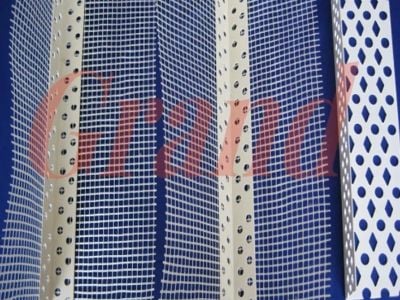
Understanding the common fiberglass mesh sizes is essential for construction projects, as it directly impacts durability, application suitability, and overall project efficiency. Fiberglass mesh is a crucial reinforcement material used in various construction applications, from plastering to masonry reinforcement. This article aims to shed light on the common fiberglass mesh sizes, guiding purchasing managers, engineers, and other B2B buyers in making informed decisions that align with their specific project needs.
What Common Fiberglass Mesh Sizes Suit Your Construction Needs?
Fiberglass mesh comes in various sizes and configurations, each serving different applications within the construction industry. The most common sizes include:
4x4 mesh: Typically used for stucco and plaster applications, this size provides adequate support for exterior finishes, preventing cracking and enhancing durability.
2x2 mesh: Often employed in masonry and concrete reinforcement, a 2x2 mesh size is suitable for areas requiring moderate tensile strength.
1x1 mesh: This size is generally utilized in more specialized applications where high tensile strength is required, such as in high-rise buildings or areas with substantial load-bearing requirements.
When selecting a mesh size, consider the specific requirements of your project. For instance, a larger mesh size may be better suited for exterior applications, while a smaller fibreglass mesh screen size could be more effective in interior structures that require detailed reinforcement.
How to Choose the Right Fiberglass Mesh Size for Your Projects?
Choosing the right fiberglass mesh size involves assessing several factors that contribute to the overall performance and longevity of your construction project. Here are some key considerations:
Application Type: Determine the primary use of the mesh whether it’s for plastering, masonry reinforcement, or as a part of a composite material. Each application has different strength and flexibility requirements.
Load Requirements: Evaluate the anticipated loads the mesh will support. Heavier loads may necessitate a thicker or more tightly woven mesh to prevent deformation or failure over time.
Environmental Factors: Consider the environmental conditions where the mesh will be used. Exposure to moisture, chemicals, or extreme temperatures can affect the performance of different mesh sizes.
Installation Method: The method of installation may also influence your choice. Some mesh types are easier to install than others, which can impact labor costs and timeframes.
By considering these factors, you can ensure that the fiberglass mesh selected will meet the specific demands of your construction project, reducing the risk of issues during and after installation.
Key Specifications for Fiberglass Mesh Sizes in Construction
Understanding the key specifications of fiberglass mesh is crucial to ensuring its suitability for your projects. Here are some important specifications to consider:
Mesh Size: The size of the openings in the mesh affects its strength and applications. Smaller openings provide more reinforcement but may require more careful installation.
Yarn Thickness: Thicker yarns generally provide greater tensile strength. A fiberglass screen mesh made from higher-denier yarns is typically more resistant to tearing and deformation.
Weave Pattern: Different weave patterns can influence flexibility and load distribution. A tighter weave may be necessary for applications requiring maximum strength.
Coating and Treatment: Many fiberglass meshes are treated with a protective coating to enhance durability against environmental factors such as moisture and UV exposure. Understanding the type of coating used can help assess the mesh’s longevity.
Buyers should evaluate these specifications against their project requirements to select the most appropriate fiberglass mesh.
Bulk Order Considerations for Fiberglass Mesh in Construction
When planning to order fiberglass mesh in bulk, several considerations can optimize your purchasing process:
Minimum Order Quantity (MOQ): Manufacturers often have a minimum order quantity that can affect your purchasing decisions. It's essential to confirm this with your supplier to ensure you can meet their requirements.
Lead Time: Consider the lead time for production and delivery. Custom sizes or special requests may require longer lead times, so plan your orders accordingly to avoid delays in your project timeline.
Packaging and Shipping: Assess the packaging methods used by the manufacturer. Proper packaging is critical to prevent damage during transport. Check if the manufacturer can accommodate your shipping requirements.
Pricing Structures: Bulk orders may lead to discounts or better pricing structures. Engage with your supplier to negotiate terms that could benefit you financially as you scale your order sizes.
Quality Assurance: Ensure that the manufacturer has robust quality control processes in place. Request samples before placing large orders to verify that the product meets your specifications.
By taking these considerations into account, you can streamline the procurement process for fiberglass mesh, ensuring that your projects run smoothly.
Where to Source Reliable Fiberglass Mesh Suppliers for Projects?
Finding a reliable supplier for fiberglass mesh is crucial for ensuring quality and timely delivery. Here are some strategies to identify trustworthy suppliers:
Industry Research: Start by researching manufacturers with established reputations within the fiberglass industry. Look for companies with a proven track record in producing high-quality mesh and related products.
Certifications: Verify that the supplier adheres to recognized industry standards and certifications. This can include ISO certifications or other quality assurance recognitions that demonstrate their commitment to maintaining quality.
Customer Reviews: Seek out customer testimonials and case studies that provide insight into the supplier's reliability and product performance. Engaging with other professionals in the industry can also yield recommendations.
Customization Capabilities: If your project requires specific mesh sizes or configurations, ensure that potential suppliers have the capability to accommodate custom orders.
After-Sales Support: Evaluate the level of after-sales support offered by the supplier. Reliable customer service can be critical in addressing any issues that may arise post-purchase.
By following these guidelines, you can identify suppliers that not only meet your technical needs but also offer the reliability and service necessary for successful project execution.
Table of Contents
- What Common Fiberglass Mesh Sizes Suit Your Construction Needs?
- How to Choose the Right Fiberglass Mesh Size for Your Projects?
- Key Specifications for Fiberglass Mesh Sizes in Construction
- Bulk Order Considerations for Fiberglass Mesh in Construction
- Where to Source Reliable Fiberglass Mesh Suppliers for Projects?