EN



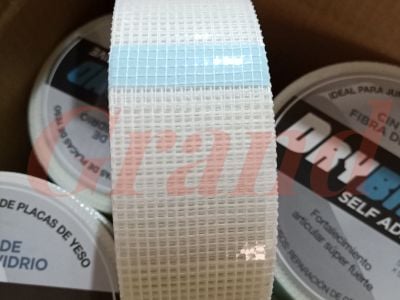
Fiberglass mesh is an essential component in wall reinforcement, providing strength, durability, and resilience in construction applications. One of the key considerations when selecting fiberglass mesh is its weight. Understanding what fiberglass mesh weight is common for wall reinforcement can significantly impact the performance and longevity of the structures being built. This article will explore the ideal weights for fiberglass mesh used in wall reinforcement, key specifications to consider, various applications, weight considerations, and how to evaluate the quality of fiberglass mesh for your specific needs
What Fiberglass Mesh Weights Are Ideal for Wall Reinforcement
In wall reinforcement applications, fiberglass mesh typically comes in weights ranging from 60 to 320 grams per square meter (gsm). Lighter meshes, around 60-90 gsm, are suitable for internal applications where minimal reinforcement is needed, such as in drywall or plaster applications. Medium weights, around 145-160 gsm, are often used for standard external wall reinforcement, providing a balance between flexibility and strength. For high-demand applications, such as in areas prone to high stress or seismic activity, heavier meshes of 200 gsm and above are recommended. These heavier options enhance the structural integrity of walls and improve resistance to cracking and impact
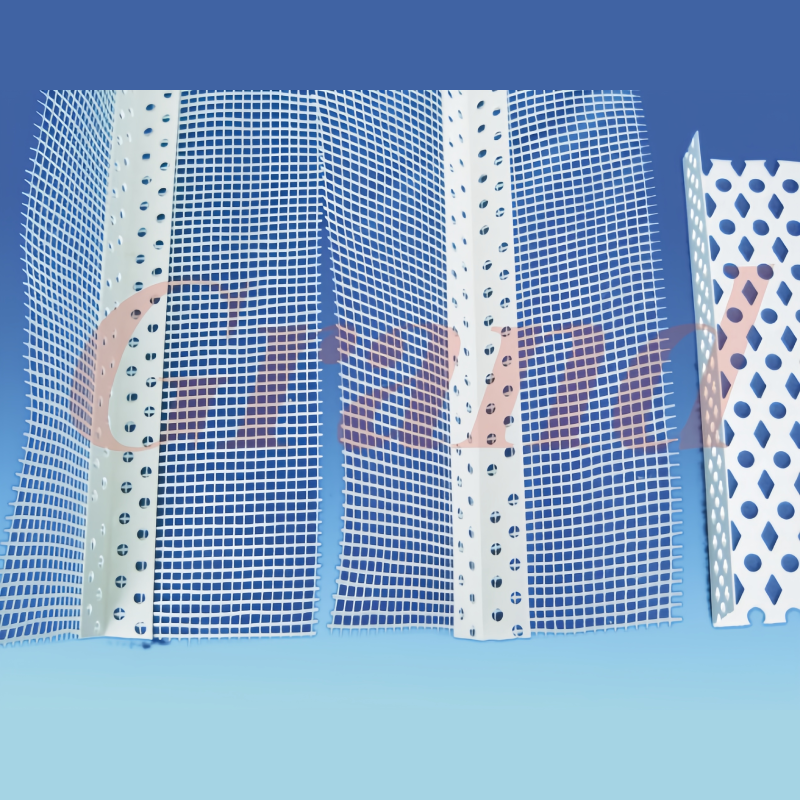
Key Specifications for Fiberglass Mesh Weight in Construction
The weight of fiberglass mesh is just one of several important specifications to consider in construction. Other key specifications include
Mesh Size and Opening: The size of the mesh openings affects the amount of adhesive or mortar that can penetrate, which in turn influences bonding strength. Smaller openings provide more surface area for adhesion but may limit flexibility
Material Composition: Fiberglass meshes are typically made from E-glass fibers, which provide excellent tensile strength and corrosion resistance. The resin used for coating affects durability and thermal stability
Thickness: The thickness of the mesh contributes to its overall strength. Thicker meshes tend to be more robust but may be less flexible, making them suitable for different applications
Compatibility: Ensure that the selected fiberglass mesh is compatible with the adhesive or mortar being used. This compatibility will affect adhesion quality and overall performance
Understanding these specifications is crucial for ensuring that the chosen fiberglass mesh meets the required performance standards for specific construction projects
Applications of Different Fiberglass Mesh Weights in Wall Reinforcement
The applications of alkali resistant fiberglass mesh vary significantly based on weight and structure
Lightweight Mesh (60-90 gsm): Ideal for internal plastering and drywall applications, providing basic reinforcement to prevent cracks while maintaining flexibility during installation
Medium Weight Mesh (145-160 gsm): Commonly used in external wall systems, this weight provides adequate reinforcement for typical residential and commercial buildings. It is suitable for cement-based plasters and stucco
Heavyweight Mesh (200+ gsm): Recommended for high-stress environments, such as areas susceptible to seismic activity or heavy loads. These meshes provide superior crack resistance and are often used in industrial and commercial applications, including precast concrete panels and FRP systems
Specialty Applications: Fiberglass mesh can also be customized for specific applications, such as fire-resistant or chemical-resistant environments. Factors such as coating materials and mesh structure can be tailored to meet unique performance requirements
Understanding the specific application and corresponding fiberglass mesh weight is vital for achieving optimal reinforcement
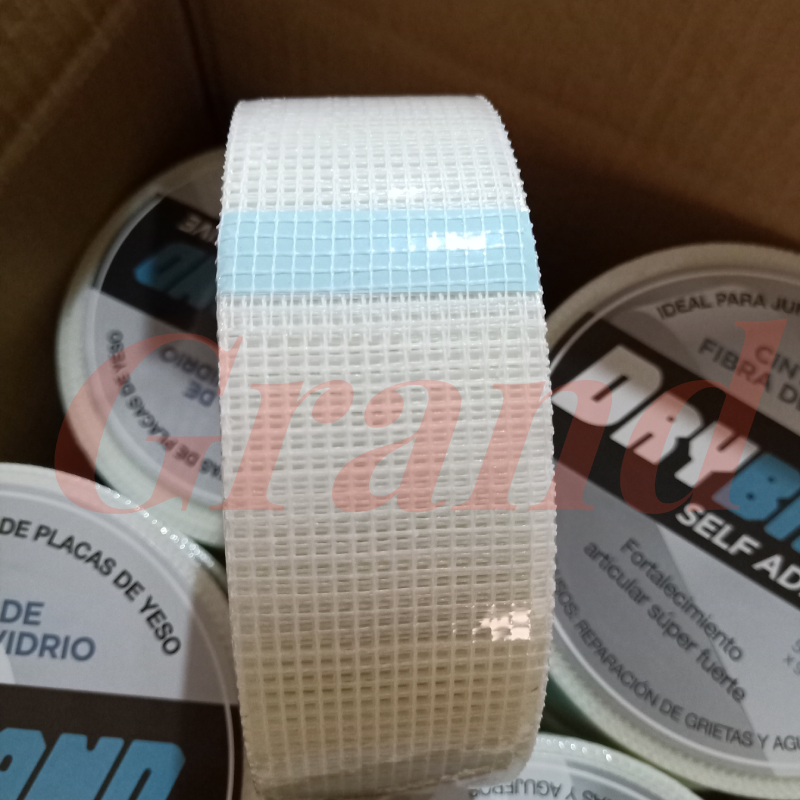
Weight Considerations
When selecting fiberglass mesh for wall reinforcement, consider the following weight-related factors
Structural Requirements: Heavier meshes offer greater strength but may also increase the overall weight of the wall system, which can impact the building's foundation and design. Assess the structural load-bearing requirements before finalizing mesh weight
Installation Techniques: Lighter meshes are often easier to handle and install, making them preferable for projects with tight timelines or less experienced labor. Conversely, heavier meshes may require specialized installation techniques
Cost Implications: Heavier meshes generally come at a higher cost, so it’s essential to balance cost with performance needs. Assess the long-term benefits of using a heavier mesh against the initial investment
Environmental Conditions: Consider the environmental conditions the structure will face. Areas with extreme temperatures or moisture levels may benefit from heavier, more durable meshes to ensure longevity
Taking these considerations into account can help ensure that the selected fiberglass mesh meets both performance and budgetary needs
Evaluating the Quality of Fiberglass Mesh Weights for Your Needs
To ensure you select the right fiberglass mesh roll, evaluate quality through the following criteria
Manufacturer Certifications: Check for industry certifications that confirm compliance with international standards. A reputable manufacturer like Grand Fiberglass will typically have certifications that validate their quality control processes
Quality Control Processes: Investigate the manufacturer's quality assurance protocols. This includes raw material inspection, in-process checks, and final product testing to ensure consistent performance
Sample Testing: Request samples of the fiberglass mesh before placing a bulk order. Testing samples under actual application conditions will allow you to assess compatibility, adhesion, and performance
Customer Feedback and Case Studies: Review feedback from other customers who have used the product in similar applications. This can provide insights into the mesh's performance and reliability
Customizability: Understand whether the manufacturer can accommodate specific requirements regarding weight, size, or material composition. Custom solutions can often better meet unique project needs
By thoroughly evaluating these factors, buyers can make informed decisions that align with their project’s requirements and ensure the long-term success of their construction efforts
In summary, understanding what fiberglass mesh weight is common for wall reinforcement is essential for ensuring structural integrity and performance. By considering the specifications, applications, weight factors, and quality evaluations, buyers can make informed choices that meet their specific needs in construction projects