EN



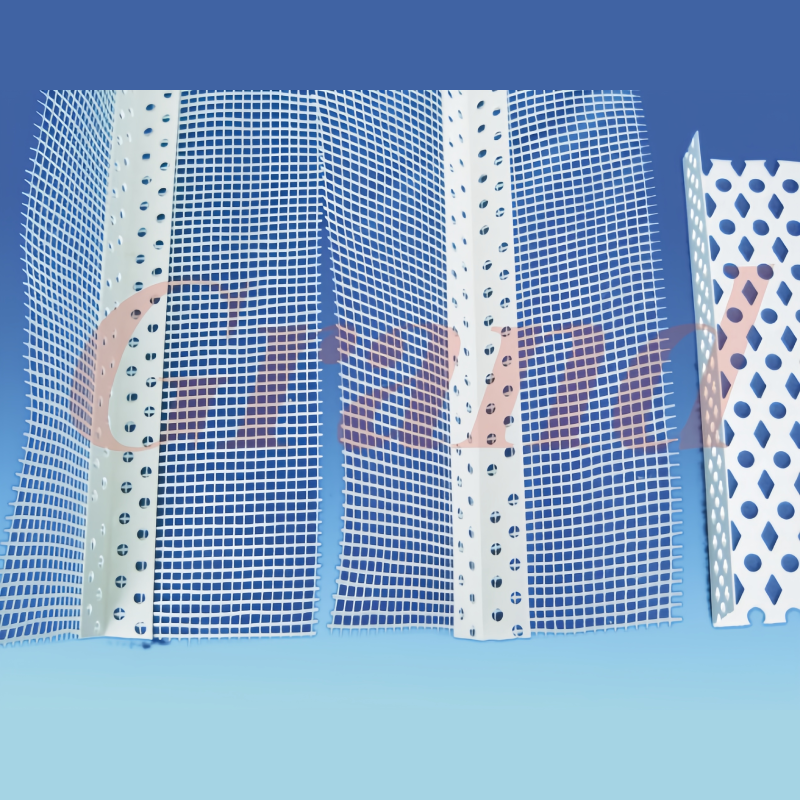
Understanding the various mesh sizes used for Exterior Insulation and Finish Systems (EIFS) is crucial for construction professionals. As a purchasing manager, engineer, or product manager, you need to ensure that you select the right fibreglass mesh for your projects. This article will address key considerations regarding mesh sizes for EIFS applications, including sourcing, cost factors, installation guidance, and the advantages of specific mesh sizes, helping you make informed decisions.
What Mesh Sizes Are Ideal for EIFS Applications in Construction?
In EIFS applications, mesh sizes typically range from 4x4 inches to 2x2 inches, with the most common being 5x5 inches. The choice of mesh size affects the system's overall performance, including flexibility, adhesion, and resistance to cracking. A finer mesh, such as 5x5, is often used in areas requiring greater flexibility and crack resistance, while a coarser mesh may be suitable for regions with less movement.
When selecting the appropriate mesh size, consider the insulation board thickness and the specific environmental conditions of the installation site. For example, regions with significant temperature fluctuations or seismic activity may benefit from a finer mesh to enhance durability. Furthermore, ensure that the fiberglass window screen mesh is compatible with the types of adhesives and finishes you plan to use, as this can influence the overall adhesion and performance of the EIFS.
Where to Source High-Quality EIFS Mesh Sizes for Bulk Orders?
Sourcing high-quality EIFS mesh requires careful evaluation of suppliers. Reputable manufacturers like Grand Fiberglass offer a range of mesh sizes tailored for EIFS applications and maintain advanced production facilities that ensure consistent quality. When placing bulk orders, it’s essential to inquire about minimum order quantities (MOQs), lead times, and customization options to meet your specific project needs.
When evaluating potential suppliers, consider their certifications and quality control processes. A supplier with a robust quality assurance system can provide reassurance that the mesh will perform as expected in demanding construction environments. Additionally, look for suppliers who can provide technical support and guidance, helping you select the best mesh sizes for your applications.
Cost Considerations When Selecting EIFS Mesh Sizes for Projects
Cost is a critical factor when selecting mesh sizes for EIFS applications. The price per unit may vary significantly based on mesh size, material quality, and production processes. Generally, finer mesh sizes may have a higher initial cost due to the intricate manufacturing processes involved. However, investing in higher-quality mesh can lead to long-term savings by enhancing the durability and performance of the EIFS system, reducing maintenance and repair costs over time.
When calculating overall project costs, consider the total cost of ownership, which includes installation costs, potential warranty claims, and the lifespan of the materials used. It’s also wise to factor in transportation costs, especially for bulk orders, as this can affect the overall budget. Engaging with multiple suppliers for quotations can help you identify the best value without compromising on quality.
Installation Guidance for Different EIFS Mesh Sizes and Types
Proper installation of EIFS mesh is critical to ensuring the system's effectiveness. The installation process can vary depending on the mesh size and type selected. For instance, when installing finer mesh, ensure that the adhesive is applied evenly to prevent bubbles or gaps that could lead to failure. It's advisable to follow the manufacturer's guidelines, including recommended overlap and fastening methods.
During installation, pay attention to environmental conditions such as temperature and humidity, as these can affect adhesive curing times. For example, high humidity may delay curing, necessitating adjustments to the installation schedule. Additionally, always conduct a thorough inspection of the mesh and adhesive before applying the finish coat to ensure optimal adhesion and performance.
Advantages of Using Specific Mesh Sizes in EIFS Applications
Choosing the right mesh size for EIFS applications offers several advantages that can significantly enhance the performance of the system. Finer mesh sizes, such as 5x5, provide better resistance to cracking and improved flexibility, making them ideal for areas with high thermal expansion or contraction. Conversely, coarser fiberglass mesh sizes may be more suitable for regions that experience minimal movement.
Another advantage of selecting the appropriate mesh size is its impact on the overall energy efficiency of the EIFS system. A well-chosen mesh size helps ensure that the insulation material remains intact and properly adhered, which can improve the building's thermal performance and reduce energy costs. Furthermore, specific mesh sizes can help optimize the aesthetic finish of the EIFS, allowing for a smoother application of topcoats and finishes.
understanding what mesh sizes are used for EIFS applications is vital for ensuring the success of your construction projects. By considering factors such as sourcing, cost, installation, and the advantages of specific mesh sizes, you can make informed decisions that contribute to the durability and effectiveness of your EIFS systems.
Table of Contents
- What Mesh Sizes Are Ideal for EIFS Applications in Construction?
- Where to Source High-Quality EIFS Mesh Sizes for Bulk Orders?
- Cost Considerations When Selecting EIFS Mesh Sizes for Projects
- Installation Guidance for Different EIFS Mesh Sizes and Types
- Advantages of Using Specific Mesh Sizes in EIFS Applications