Essential Guide to Drywall Inside Corner Bead

Get a Free Quote

Our representative will contact you soon.
Email
Name
Company Name
Message
0/1000

Drywall inside corner bead

Drywall inside corner bead is an important part of building and remodeling. This special piece helps make the corners of walls look smooth and neat. When people see a room with well-finished corners, it feels more inviting. At GRAND FIBERGLASS, we know how essential these pieces are for a great finish. They help hide the seams where two walls meet, making everything look better. Whether you are a professional builder or someone doing a DIY project at home, using the right corner bead can make a big difference. 

What Makes Drywall Inside Corner Bead Essential for Seamless Finishes? Drywall inside corner beads are important because they create a perfect look where two walls meet. Imagine seeing a corner in a room that is rough and uneven. It does not feel nice, right? But when you use corner beads, those corners become smooth and attractive. This makes the whole room look better. They also protect the corners from damage. Corners can get bumped or scratched easily, especially in busy areas. With corner beads, the walls are stronger and last longer. They are also easy to install. You can cut them to fit the corner perfectly. After that, you just need to apply some joint compound over them. This makes the corner blend in nicely with the rest of the wall. When you are done, no one will even notice where the bead starts or ends! This is why they are essential for a seamless finish. We offer high-quality corner beads that can help anyone achieve that smooth look.
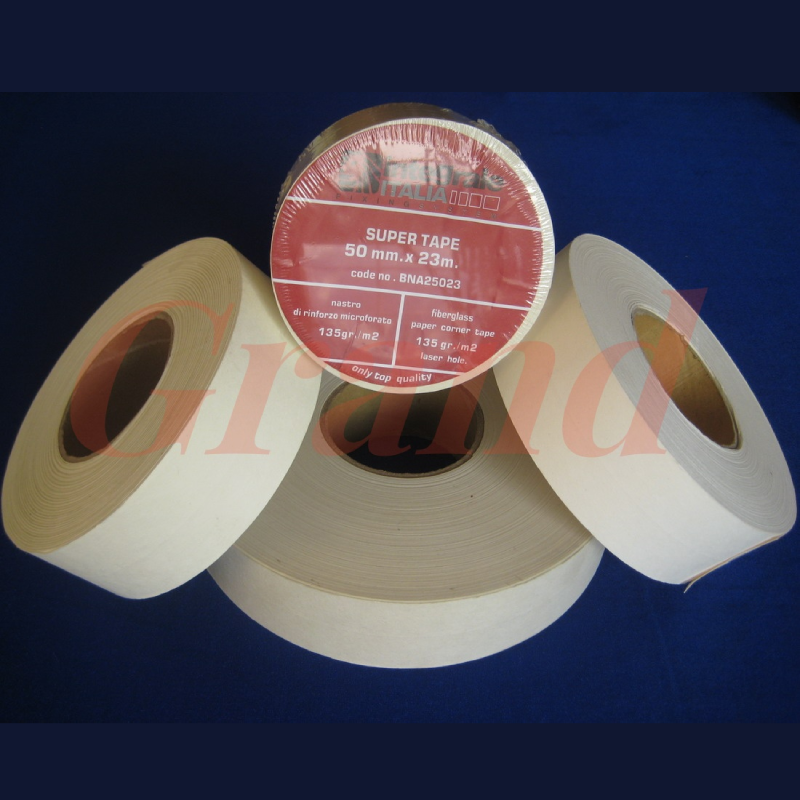
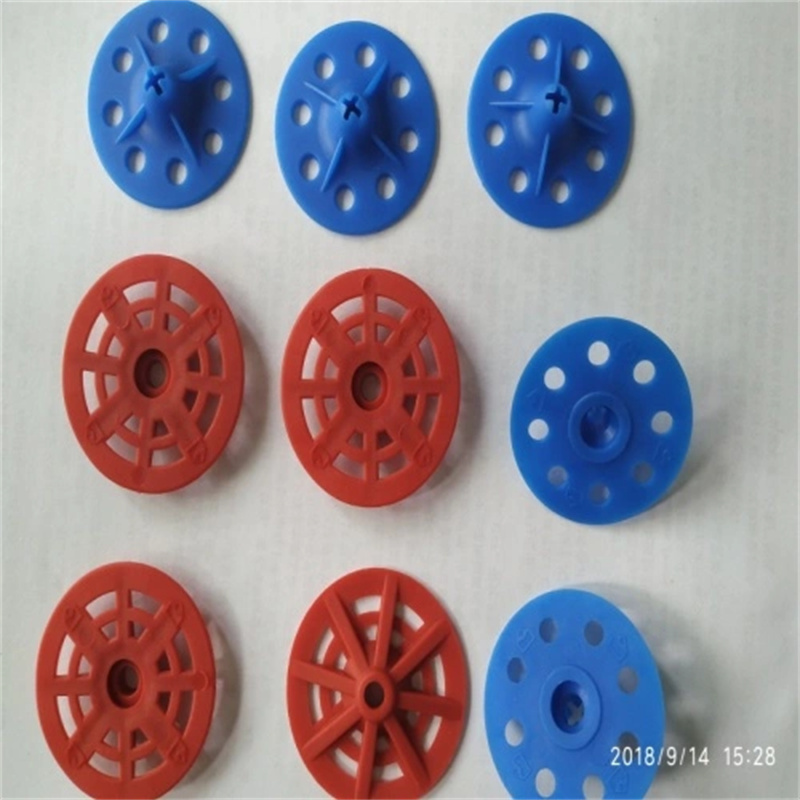
Our Products

How to Choose the Right Drywall Inside Corner Bead for Your Project

Choosing the right drywall tape is key to making your project successful. There are different types available. Some are made of metal, while others are made of plastic or fiberglass. If you want something strong, metal beads are a good choice. They are tough and can handle bumps well. On the other hand, if you want something lighter, plastic or fiberglass beads might be better. They are easier to cut and carry. You should also think about the size of the corner bead. Standard sizes fit most corners, but sometimes you might need a special one for unique corners. Another thing to consider is how you want to finish your walls. If you plan to paint them, make sure the bead you choose can be painted easily. At GRAND FIBERGLASS, we have different options to fit your needs. We recommend thinking about the style of your room too. If you want a modern look, a simpler bead might be best. But if you prefer a more traditional style, you might want a decorative bead. This can add charm to your space. Remember, the right choice will help you create a beautiful finish that you can be proud of! 

Installing drywall inside corner bead is an important step if you want your walls to look great. It helps make the corners strong, smooth, and neat. First, you need to gather some tools. You will need a utility knife, a measuring tape, a level, and some screws or nails. You can also use a special adhesive if you want. Once you have everything ready, measure the height of the corner where you want to install the bead. Use your measuring tape to cut the corner bead to the right length. It's best to cut it a little longer than you think you need. This way, you can trim it down later for a perfect fit.

Frequently Asked Questions

What is a drywall inside corner bead?

A drywall inside corner bead is a fiberglass-reinforced profile designed to reinforce and finish interior 90° corners for smooth, crack-resistant surfaces.
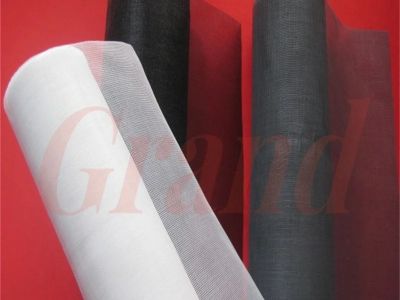
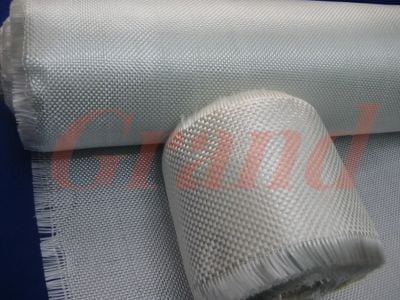
Our inside corner bead is made from high-strength fiberglass mesh and resin-treated fabric for durability, flexibility, and corrosion resistance.
We offer standard lengths (2.7m/3.0m or customizable) and common corner angles; contact us for specific size, angle, and bulk order options.
Apply joint compound, press the bead into the corner, embed the mesh, smooth excess compound, let dry, then sand and finish with paint or texture.
Yes. The fiberglass construction is moisture and corrosion resistant, making it suitable for bathrooms, kitchens, and other humid environments.

Our Blog Posts

Fiberglass Mesh for Exterior Wall Crack Control

08

Oct

Fiberglass Mesh for Exterior Wall Crack Control

Fiberglass mesh is a critical component for ensuring durability and stability in exterior wall applications, particularly for crack control. As a purchasing manager or engineer, your primary concerns may include the quality, cost-effectiveness, and a...
View More
Woven Fiberglass Cloth for Composite Manufacturing

22

Mar

Woven Fiberglass Cloth for Composite Manufacturing

Woven fiberglass cloth is a crucial material in composite manufacturing, offering strength and durability in a variety of applications. As a purchasing manager or engineer, understanding how to select the right woven fiberglass cloth is essential to ...
View More
Why Fiberglass Cloth Is Used for Composite Reinforcement

16

Apr

Why Fiberglass Cloth Is Used for Composite Reinforcement

Fiberglass cloth is a versatile material widely used for composite reinforcement in various applications, particularly in construction, industrial, and FRP (Fiber Reinforced Polymer) sectors. Understanding why fiberglass cloth is used for composite r...
View More
The Role of Aluminum Foil Tape in Thermal Insulation

21

May

The Role of Aluminum Foil Tape in Thermal Insulation

Aluminum foil tape is a versatile and essential material that plays a crucial role in thermal insulation applications. Its unique properties, such as excellent thermal conductivity, moisture resistance, and durability, make it an ideal choice for var...
View More

Get a Free Quote

Our representative will contact you soon.
Email
Name
Company Name
Message
0/1000

Related product categories

How to Properly Install Drywall Inside Corner Bead for Perfect Corners

Next, place the corner bead in the corner of the drywall. Use a level to make sure it is straight. If it is not straight, adjust it until it looks good. After that, you can attach the bead to the drywall. If you are using screws or nails, place them every few inches along the bead. If you are using adhesive, just run a bead of glue along the back of the corner bead and press it firmly into place. It's important to make sure the bead is tight against the drywall. Once it is secured, you can start finishing the corners. Use joint compound to cover the seams between the corner bead and the drywall. This will help hide any rough edges and make everything look smooth. Apply the compound with a putty knife and let it dry. After it dries, you can sand it down to make it even smoother. Finally, paint over the corner to match the rest of your wall. When you follow these steps, you will have perfect inside corners that look professional. GRAND FIBERGLASS is here to help you with all your fiberglass mesh drywall tape needs!

What Are the Latest Trends in Drywall Inside Corner Bead Design?

In addition, some designers are painting the corner beads in different colors. Instead of just using white or beige, you might see corner beads painted in bright colors or even patterns. This adds a fun touch to the walls and can make the corners a focal point of the room. Finally, there are corner beads that come with built-in features, like soundproofing or moisture resistance. These new designs help make your home quieter or protect it from damage in humid areas like bathrooms. Keeping up with the latest trends can help you create a beautiful and modern space in your home. We are dedicated to bringing you the best and latest in drywall corner bead designs!

How to Troubleshoot Common Problems with Drywall Inside Corner Bead

Even when you follow all the steps to install drywall inside corner bead, sometimes problems can happen. It's important to know how to fix these issues. One common problem is the corner bead sticking out from the wall. This can happen if the corner bead was not attached correctly or if the joint compound was not applied evenly. If you notice this issue, you can fix it by carefully pulling the corner bead away from the wall. Try to reattach it using screws or nails. Make sure it is flush with the self adhesive drywall tape. After that, apply joint compound again to fill in the gaps and make it smooth.